The Future of AI in Indian Payroll: 2026 Forecast
The Intelligence Revolution in Financial Operations
As we stand in the middle of 2026, "Automating your business" has evolved from a digital luxury into a foundational survival skill. In the Indian fintech landscape, the most explosive and transformative force is undeniably Artificial Intelligence. For decades, payroll was a static, "dumb" calculation—a set of hardcoded formulas that needed constant manual adjustment. But the dawn of smart payroll systems is turning the monthly salary cycle into a deeply proactive, self-healing data engine that actively protects the founder from risk.
This 2026 forecast explores exactly how AI in payroll is disrupting the traditional HR role and why every startup needs to automate MSME payroll with an AI-first mindset to stay relevant in the coming decade. From predictive tax modeling to invisible auditing, the transition from spreadsheets to intelligence is officially here.
1. The Rise of the Automated Tax Regime Selector
Arguably the most frustrating part of Indian payroll since the introduction of Section 115BAC has been the annual stress of choosing between the Old and New tax regimes. In the pre-AI era, an employee had to guess which was better, often leading to massive tax recoveries at the end of the year.
In 2026, AI-driven platforms offer a real-time, automated tax regime selector. These algorithms ingest the employee's current salary, planned HRA exemptions (based on their city), and past 80C investment patterns to simulate thousands of scenarios in milliseconds. The system then proactively recommends the most tax-efficient regime, maximizing the employee's liquid take-home pay while simplifying the employer's TDS calculations. This level of precision was once reserved for those who could afford expensive CAs; now, it is available even in a free salary slip maker.
2. Advanced AI-Driven HR Audits and "Nudge" Technology
Manual payroll errors are not just about math; they are about human oversight. Forgetful managers might miss a resignation date, or an associate might misread a leaves-of-absence (LOP) request. This contributes heavily to the invisible costs of manual payroll generation. AI in 2026 solves this via "Sentinel Audits."
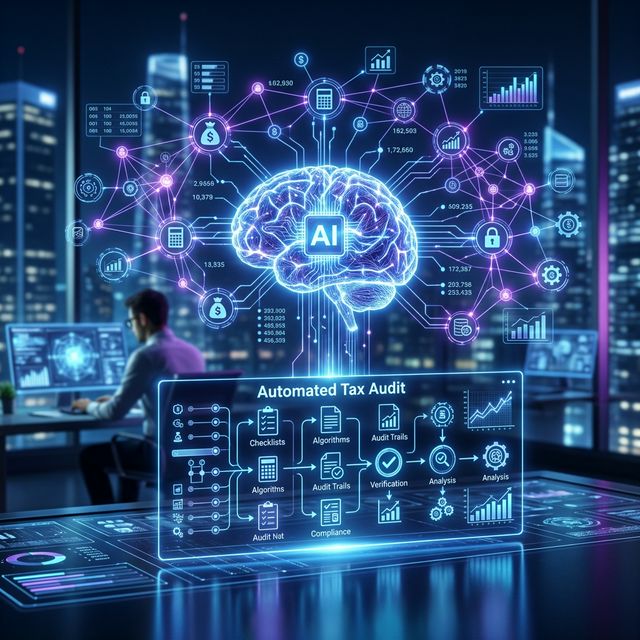
Smart engines now continuously scan your organizational data, looking for anomalies—unusual jumps in salary, missing statutory registrations for new joiners, or inconsistent professional tax deductions across states. Instead of a hard error that stops the system, the AI provides a "nudge" to the HR manager, identifying potential compliance gaps before they ever become a legal notice. This shift from reactive correction to proactive prevention is exactly why Excel is officially dead for modern HR.
3. The "Zero-Input" Payroll Goal: Invisible Compliance
The future of fintech India 2026 looks toward a "Zero-Input" payroll model. In this vision, the payroll engine is deeply integrated via secure APIs into your biometric attendance systems, your corporate expense cards, and your banking portals. The software isn't something you "run" at the end of the month; it is a continuous stream of data that is always ready. By the time pay day arrives, the bulk salary slip maker has already generated, verified, and queued every PDF based on the absolute latest government gazettes. Your only job is a single biometric approval to trigger the payouts.
4. Personalized Financial "Wellness" Insights
In 2026, the payslip is no longer just a receipt of payment; it is a gateway to financial health. AI-first platforms use the payroll data to provide employees with personalized "Fin-Health" insights. If an employee is nearing a higher tax bracket, the system can suggest a specific ELSS investment. If their insurance coverage is low, it can recommend a better ESIC tie-up hospital. This added value makes the choosing the best payslip generator a strategic talent-retention move, not just a technical one.
Conclusion: Embracing the Intelligent Future
The transition to AI-powered payroll is not about replacing humans with robots; it is about replacing "busy work" with "impact work." When your payroll is intelligent and self-sufficient, your HR team is free to focus on culture, strategy, and talent development. As an Indian MSME in 2026, the question is no longer whether you should automate—it is whether your current automation is intelligent enough to keep you competitive. Step into the future of smart payroll systems and let the intelligence engine drive your growth into 2027 and beyond.